Table of Contents
ToggleMaintenance checklists for beginners can turn chaos into calm. Whether someone owns a home, rents an apartment, or manages a small property, keeping track of repairs and upkeep tasks feels overwhelming without a system. Things break. Filters get clogged. Gutters fill with leaves. And suddenly, a small problem becomes an expensive emergency.
A maintenance checklist solves this. It lists every task that needs attention, assigns a timeline, and removes the guesswork. Beginners often skip preventive care because they don’t know where to start. This guide breaks down why maintenance checklists matter, what tasks to include, how to build a checklist from scratch, and how to actually stick with it.
Key Takeaways
- Maintenance checklists for beginners prevent small issues from becoming expensive emergencies by scheduling regular preventive care.
- Start with 10–15 essential tasks grouped by frequency (monthly, quarterly, biannual, annual) and expand your checklist over time.
- Choose a checklist format you’ll actually use—whether it’s a spreadsheet, app, paper printout, or calendar reminders.
- Customize your maintenance checklist to match your property type, skipping irrelevant tasks and adding ones specific to your home.
- Set phone alerts or calendar notifications and batch similar tasks together to stay consistent without feeling overwhelmed.
- Review and update your checklist quarterly to account for new appliances, seasonal changes, or adjusted maintenance schedules.
Why Maintenance Checklists Matter
Maintenance checklists prevent small issues from becoming big expenses. A furnace filter costs a few dollars. A broken HVAC system costs thousands. The difference? Regular maintenance.
Here’s what a maintenance checklist does for beginners:
- Saves money. Preventive care extends the life of appliances, systems, and structures. Replacing a water heater after 15 years of proper maintenance beats replacing one after 7 years of neglect.
- Reduces stress. Knowing what needs attention, and when, eliminates surprise breakdowns. No one wants a flooded basement on a holiday weekend.
- Builds habits. Maintenance checklists train people to think ahead. Over time, checking smoke detectors or cleaning dryer vents becomes automatic.
- Protects property value. Homes and vehicles lose value faster without upkeep. A maintenance checklist keeps assets in good condition.
For beginners, the checklist also serves as a learning tool. It introduces them to systems they might not understand yet. What’s a P-trap? When should gutters be cleaned? The checklist answers these questions before problems arise.
Maintenance checklists also create accountability. Writing down tasks makes them real. Checking them off feels productive. And reviewing completed items shows progress over time.
Essential Home Maintenance Tasks to Include
Every maintenance checklist needs the right tasks. Beginners should start with the basics and expand over time. Here’s a breakdown by frequency.
Monthly Tasks
- Test smoke and carbon monoxide detectors
- Check HVAC filters and replace if dirty
- Inspect plumbing under sinks for leaks
- Clean garbage disposal with ice and citrus
- Wipe down appliance exteriors
Quarterly Tasks
- Test garage door auto-reverse safety feature
- Flush water heater to remove sediment
- Check caulking around tubs, showers, and sinks
- Inspect fire extinguishers
- Clean range hood filters
Biannual Tasks
- Clean gutters and downspouts (spring and fall)
- Service HVAC system before heating and cooling seasons
- Check weather stripping on doors and windows
- Test water shut-off valves
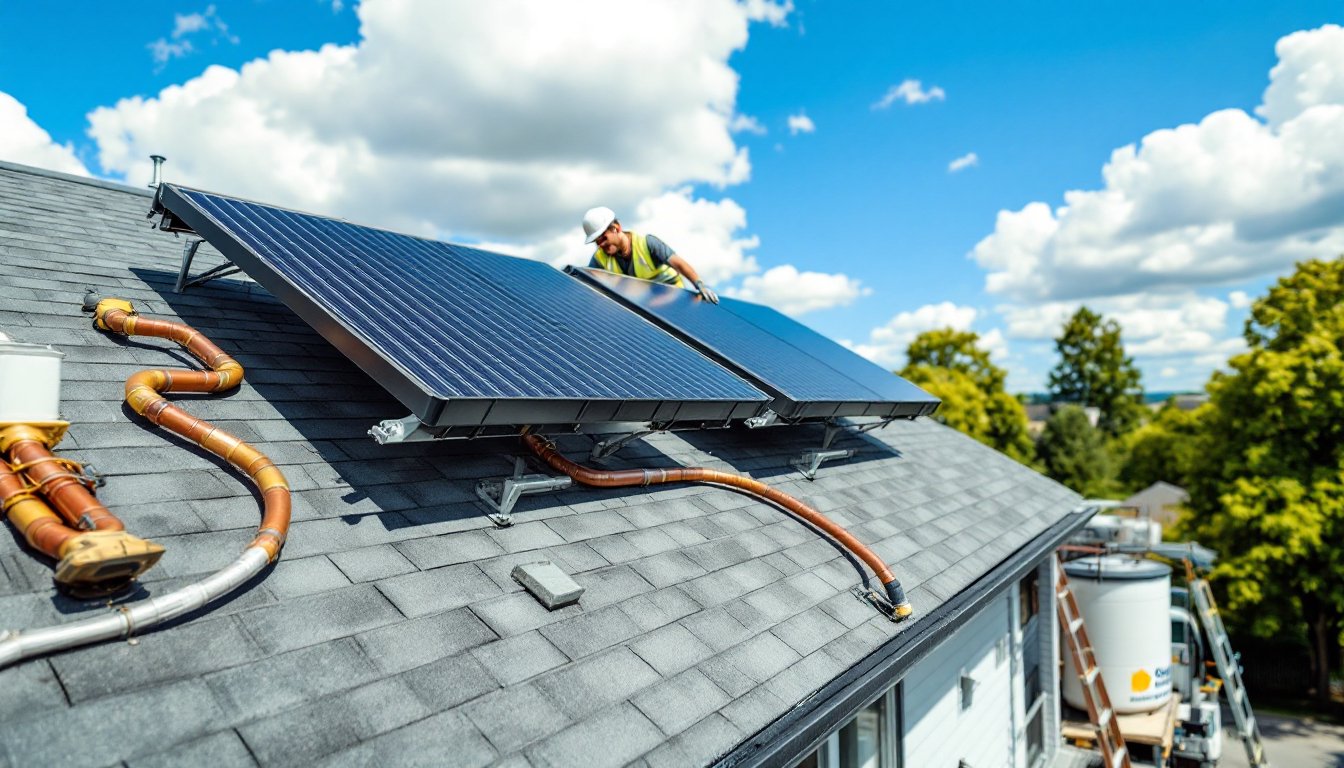
- Inspect the roof for damaged shingles
Annual Tasks
- Drain and winterize outdoor faucets
- Deep clean dryer vents
- Inspect attic insulation
- Service major appliances (refrigerator coils, dishwasher seals)
- Schedule a professional chimney inspection if applicable
Beginners don’t need to do everything at once. They should pick one or two tasks from each category and build from there. The goal is consistency, not perfection.
Maintenance checklists work best when they match the property. An apartment renter won’t need roof inspections. A homeowner with a pool will add chlorine checks. Customize the list to fit.
How to Create Your First Maintenance Checklist
Building a maintenance checklist from scratch sounds hard. It isn’t. Follow these steps.
Step 1: List Everything That Needs Care
Walk through the property. Open every closet. Look at every appliance. Write down anything that requires regular attention. Include:
- Major systems (HVAC, plumbing, electrical)
- Appliances (washer, dryer, refrigerator, dishwasher)
- Exterior features (roof, gutters, siding, deck)
- Safety equipment (smoke detectors, fire extinguishers)
- Seasonal items (lawn equipment, snow blowers)
Step 2: Assign Frequencies
Not every task happens monthly. Research how often each item needs attention. Manufacturer manuals help here. So do quick online searches. Group tasks by:
- Weekly
- Monthly
- Quarterly
- Biannually
- Annually
Step 3: Choose a Format
Maintenance checklists can live anywhere. Options include:
- Spreadsheets. Google Sheets or Excel work well. Add columns for task name, frequency, last completed date, and notes.
- Apps. Several home maintenance apps send reminders and track history.
- Paper. A printed checklist on the refrigerator works for visual people.
- Calendar. Set recurring events for each task.
Beginners should pick the format they’ll actually use. A fancy app means nothing if it never gets opened.
Step 4: Start Small
Don’t add 50 tasks on day one. Begin with 10–15 essential items. Add more after a few months of consistent use. A manageable maintenance checklist beats an abandoned one.
Tips for Sticking to Your Maintenance Schedule
Creating a maintenance checklist takes an hour. Sticking with it takes discipline. These tips help beginners stay on track.
Set reminders. Phone alerts work. So do calendar notifications. The checklist won’t check itself.
Batch similar tasks. Group indoor tasks together. Schedule outdoor tasks for the same weekend. Batching saves time and builds momentum.
Track completion dates. Writing down when something was last done creates a record. It also shows patterns. If the HVAC filter needs replacing every three weeks instead of every month, adjust the schedule.
Reward progress. Checking off tasks feels good. Some people use apps that gamify productivity. Others treat themselves after completing a maintenance day. Whatever works.
Review quarterly. Maintenance checklists aren’t static. Life changes. New appliances arrive. Old ones get replaced. Set a quarterly reminder to review the checklist and update it.
Don’t aim for perfection. Missing a task doesn’t mean failure. It means life happened. Catch up when possible and keep going.
Involve the household. Maintenance checklists work better when everyone participates. Assign age-appropriate tasks to family members. Share the calendar or app.
Beginners often abandon maintenance checklists because they try to do too much too fast. Slow and steady wins here. Consistency matters more than intensity.