Table of Contents
ToggleBackyard makeovers for beginners don’t require a landscape architect or a massive budget. They require a plan, some weekend hours, and the willingness to get your hands dirty. Whether the yard is a blank slate of grass or an overgrown mess, anyone can turn it into a functional outdoor retreat.
This guide breaks down the process into manageable steps. Readers will learn how to assess their space, pick a design direction, and tackle projects that deliver visible results fast. No experience necessary, just a bit of ambition and maybe a good pair of gloves.
Key Takeaways
- Backyard makeovers for beginners start with assessing your space, noting sun exposure, drainage, and existing features before making any design decisions.
- Set a realistic budget and allocate funds across categories: 40-50% for hardscaping, 20-30% for plants, and 15-25% for furniture and décor.
- Focus on high-impact, low-skill projects first—adding mulch, defining edges, and power washing surfaces can transform your yard in a single weekend for under $200 each.
- Choose native plants matched to your USDA Hardiness Zone to reduce maintenance, save water, and improve plant survival rates.
- Create functional outdoor zones (dining, lounging, cooking, play) and define them using changes in ground material, planters, or overhead structures like pergolas.
- Backyard makeovers for beginners succeed when the design reflects how you actually live—match features to your habits rather than chasing magazine-perfect inspiration.
Assess Your Space and Set a Budget
Every successful backyard makeover starts with an honest look at what’s already there. Walk the yard at different times of day. Notice where the sun hits, where water pools after rain, and which areas get the most foot traffic.
Grab a tape measure and sketch a rough layout. Include existing features like trees, fences, sheds, and utility boxes. This simple map becomes the foundation for all design decisions.
Know Your Numbers
Budget determines everything. A backyard makeover can cost $500 or $50,000, the range is massive. Beginners should start small and build momentum with affordable wins.
Break the budget into categories:
- Hardscaping (patios, paths, edging): 40-50%
- Plants and mulch: 20-30%
- Furniture and décor: 15-25%
- Tools and supplies: 5-10%
Leave 10-15% as a cushion for unexpected costs. That drainage issue hiding under the grass? It’ll reveal itself eventually.
Check Local Rules
Before digging, call 811 to locate underground utilities. Some cities require permits for structures like pergolas or fences over a certain height. A quick call to the local building department saves headaches later.
Choose a Design Style That Fits Your Lifestyle
Backyard makeovers for beginners work best when the design matches how people actually live. A family with young kids needs different features than a couple who hosts dinner parties.
Popular Backyard Styles
Modern Minimalist: Clean lines, neutral colors, and low-maintenance plants. Think concrete pavers, ornamental grasses, and sleek outdoor furniture.
Cottage Garden: Overflowing flower beds, curved pathways, and a slightly wild aesthetic. Perfect for gardeners who love color and variety.
Desert Oasis: Gravel, succulents, and drought-tolerant plants. Ideal for hot climates or anyone tired of watering.
Family-Friendly: Durable lawn areas, shade structures, and room for play equipment. Function beats formality here.
Match Features to Habits
Ask practical questions:
- Does anyone grill regularly? Plan for a dedicated cooking zone.
- Are there pets? Choose pet-safe plants and consider fencing.
- How much maintenance is realistic? Be honest. A high-maintenance garden sounds great until August hits.
Pinterest boards and Instagram saves provide inspiration, but the best backyard makeovers reflect real life, not magazine spreads.
Start With Easy High-Impact Projects
Beginners often stall because they try to do everything at once. The smarter approach? Pick two or three projects that deliver maximum visual payoff with minimum skill requirements.
Quick Wins for Backyard Makeovers
Define Edges: Install metal or stone edging between lawn and beds. This single change makes the entire yard look intentional.
Add Mulch: Spread 2-3 inches of bark mulch or gravel in garden beds. It suppresses weeds, retains moisture, and instantly polishes the landscape.
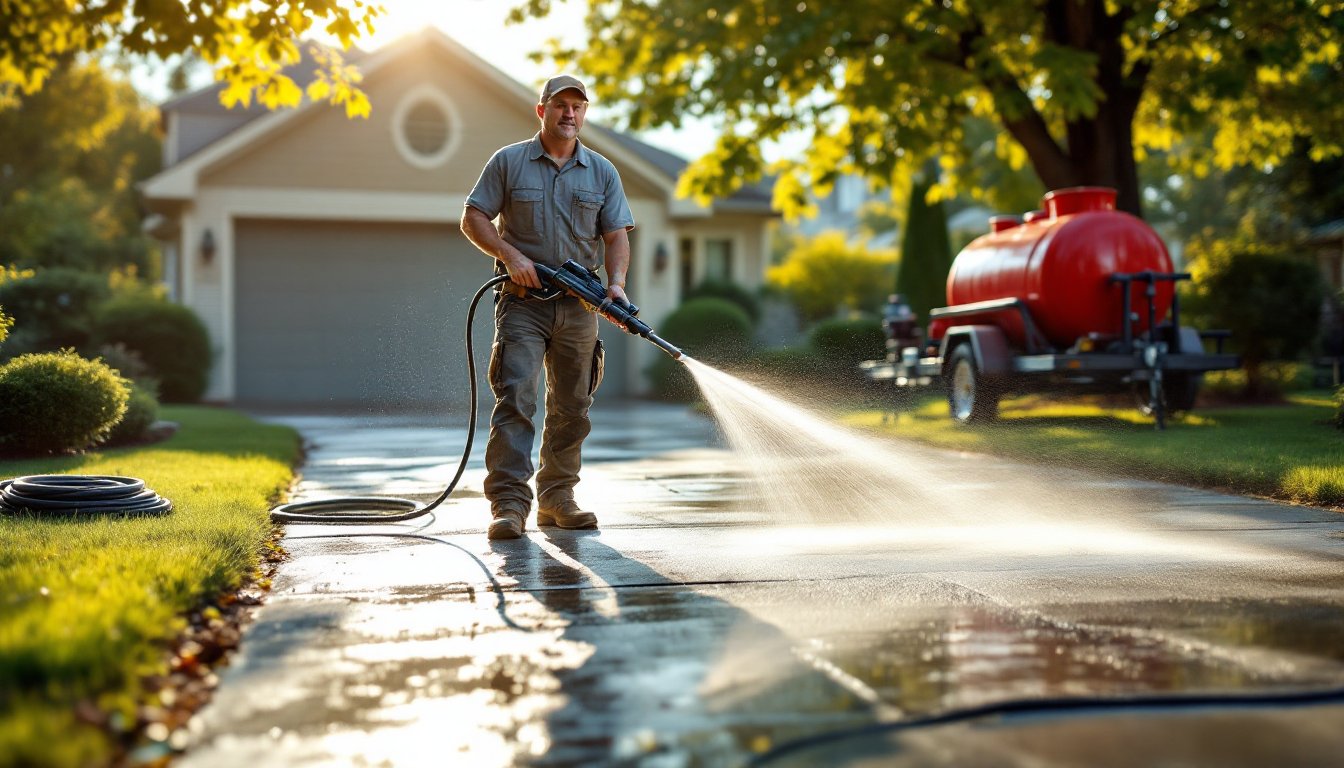
Power Wash Everything: Patios, fences, and concrete paths accumulate years of grime. A pressure washer rental costs about $50 and transforms surfaces in hours.
Paint or Stain the Fence: A fresh coat of stain takes a worn fence from eyesore to backdrop. Neutral grays and blacks make plants pop.
Upgrade Outdoor Lighting: String lights, solar path markers, or a few spotlights extend usable hours and add ambiance. No electrician required for most options.
These projects cost under $200 each and can usually be completed in a single weekend. Stack a few together, and the backyard starts looking completely different.
Add Plants and Greenery Strategically
Plants bring life to any backyard makeover, but beginners often make expensive mistakes. They buy whatever looks pretty at the nursery, bring it home, and watch it die within weeks.
Choose Plants That Actually Survive
Start by checking the USDA Hardiness Zone for the area. This number indicates which plants can survive local winters. Most plant tags include zone information.
Prioritize native plants. They’ve adapted to local soil and climate, which means less watering, less fertilizing, and fewer pest problems. Local extension offices publish lists of recommended species.
Layer for Depth
Professional landscapes use layers:
- Canopy: Trees provide shade and vertical interest
- Understory: Large shrubs fill the middle zone
- Ground layer: Perennials, groundcovers, and annuals add color at eye level
Beginners should start with the ground layer and work up. Trees are a commitment, they take years to mature and decades to remove if planted poorly.
Container Gardening
Pots offer flexibility. They allow experimentation without permanent consequences. Group containers in odd numbers (three or five) for a natural look. Move them as the design evolves.
For backyard makeovers for beginners, containers also solve problem areas. That shady corner where nothing grows? A collection of ferns in decorative pots handles it beautifully.
Create Functional Zones for Relaxation and Entertaining
The best backyards work like outdoor rooms. Each area serves a purpose, and the spaces flow together naturally.
Common Backyard Zones
Dining Area: Position near the kitchen for easy food transport. A simple table, chairs, and umbrella create a functional eating space.
Lounge Zone: Deep seating, shade, and maybe a fire pit. This becomes the evening hangout spot.
Cooking Station: A grill, prep surface, and storage. Even a basic setup beats running inside every five minutes.
Garden or Hobby Area: Raised beds for vegetables, a potting bench, or space for whatever brings joy.
Play Area: Visible from the house, with soft surfaces under climbing structures.
Define Spaces Without Walls
Outdoor rooms don’t need physical walls. Create separation with:
- Changes in ground material (pavers to gravel to grass)
- Different elevations (a raised deck or sunken seating area)
- Planters or hedges as natural dividers
- Overhead elements like pergolas or sail shades
Pathways connect zones and guide movement through the space. Even a simple stepping stone path adds intention to the layout.
Furniture Selection
Buy fewer, better pieces rather than cheap sets that fall apart. Look for weather-resistant materials: teak, powder-coated aluminum, or all-weather wicker. Store cushions when rain threatens, or invest in waterproof covers.