Table of Contents
ToggleIf you own or manage a commercial property, you’ve probably noticed that HVAC maintenance bills don’t match the residential quotes you might’ve heard from friends. Commercial systems, whether they cool a 5,000-square-foot office or a sprawling warehouse, operate on a different scale, with heavier equipment, more complex controls, and stricter efficiency requirements. Understanding the real cost of commercial HVAC maintenance in 2026 helps you budget accurately, avoid surprise repair bills, and make smart decisions about preventive care versus emergency calls. Let’s break down what you’re actually paying for and where you can find savings.
Key Takeaways
- Average commercial HVAC maintenance costs range from $300–$500 per month or $3,600–$6,000 annually for preventive care, significantly higher than residential systems due to larger equipment and complexity.
- Emergency repairs can exceed $2,500, making preventive maintenance plans 60–70% more cost-effective than reactive repairs, which average $8,000–$12,000 annually when emergency premiums are factored in.
- System size, equipment age, location, and usage patterns directly impact your annual HVAC maintenance budget, with older systems requiring more frequent refrigerant top-ups and coastal properties facing 15–25% higher costs.
- Negotiating fixed-rate maintenance contracts, scheduling work during low-demand seasons, and training staff on basic filter changes can reduce commercial HVAC maintenance costs by 10–20%.
- A well-maintained commercial HVAC system lasts 15–20 years versus 8–10 years for neglected systems, preventing premature $25,000+ replacement expenses within the next 2–3 years.
Average Cost Breakdown for Commercial HVAC Maintenance
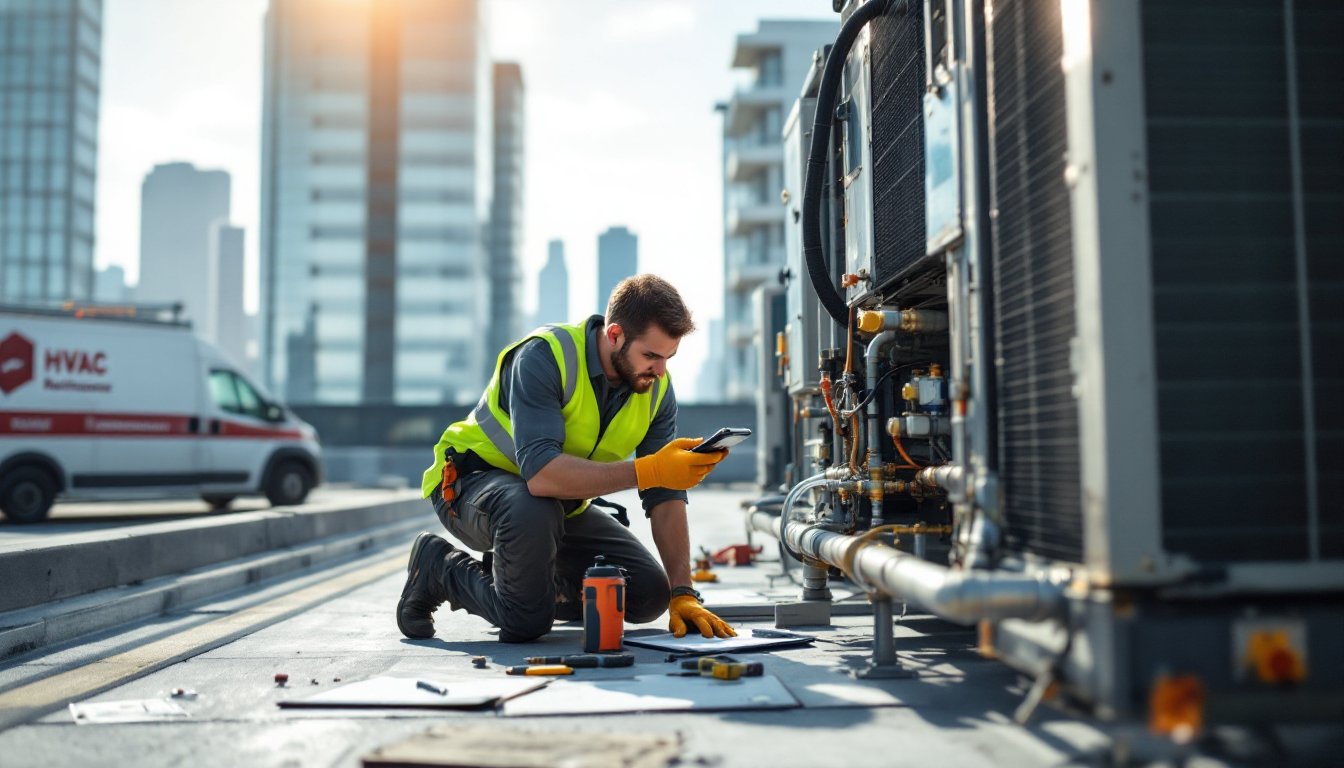
Most commercial HVAC maintenance contracts fall between $300 and $500 per month, though costs vary widely based on equipment type, building size, and service frequency. A typical maintenance visit includes filter changes, refrigerant level checks, coil cleaning, thermostat calibration, and a full system inspection. Annual preventive maintenance runs $3,600 to $6,000 per year for small to mid-sized commercial spaces.
Emergency repairs, the calls that come at 2 a.m. when the AC dies in July, can cost $500 to $2,500 depending on what fails. A compressor replacement might run $1,500 to $3,500: a refrigerant recharge costs $200 to $500. Ductwork repairs or replacements spike the bill significantly, sometimes exceeding $5,000 if the damage is extensive. These numbers assume standard commercial equipment: larger facilities with rooftop units or complex VAV (variable air volume) systems pay more. Regional labor rates matter too, maintenance in urban areas typically costs 20–30% more than rural regions.
Why Commercial HVAC Costs More Than Residential Systems
Commercial HVAC systems are heavier-duty machines engineered for continuous operation, often running 24/7 or at least 12+ hours daily. A residential unit might handle one or two zones: a commercial system may manage dozens, with separate thermostats, dampers, and controls. Commercial refrigerant charges are larger (often 20+ pounds versus 3-4 pounds in home units), so recharges are pricier. Technicians also need specialized certification (EPA Section 608 certification, for instance) to handle commercial refrigerants legally, which justifies higher labor rates.
Building codes impose stricter maintenance schedules on commercial properties. Many jurisdictions require documented quarterly inspections, which homeowners never face. Parts cost more, commercial compressors, fans, and coils are industrial-grade equipment with premium pricing. Finally, downtime is expensive for businesses: a restaurant without AC on a summer Friday loses thousands in sales and customer goodwill. Contractors charge accordingly because the stakes are higher.
Factors That Impact Your Annual HVAC Maintenance Budget
System Size and Complexity
A 3-ton rooftop unit cooling a small office building costs less to maintain than a 15-ton chiller system in a hospital or data center. Complexity also drives price, systems with digital controls, hot-water heat exchangers, or demand-controlled ventilation require more sophisticated diagnostics and skilled labor. Multi-zone systems have more moving parts and failure points, increasing inspection time and parts inventory needs.
Equipment age matters significantly. Older systems (10+ years) require more frequent refrigerant top-ups, use obsolete refrigerants that cost more, and break down more often. Newer high-efficiency units have better reliability but pricier parts. Location affects pricing too, coastal properties face corrosion and salt-spray damage, pushing maintenance costs up 15–25%. High-dust environments (warehouses, manufacturing) need filter changes every month instead of quarterly, adding $200–$400 annually per system.
Usage patterns and occupancy loads affect wear. A gym running 16 hours daily with 200 people inside faces far heavier HVAC stress than an office with 20 people working 8 hours a day. The top maintenance checklists for commercial buildings often highlight HVAC as a priority because skipped inspections compound costs exponentially.
Preventive Maintenance Plans vs. Emergency Repairs
Here’s the practical reality: paying for preventive maintenance saves money. A quarterly or bi-annual maintenance plan costs $1,200–$2,000 annually but prevents 80% of unexpected failures. When your technician spots a worn compressor bearing or refrigerant leak early, you schedule a repair on your timeline, not at midnight on a holiday weekend.
Emergency calls come with premium rates, many contractors charge 1.5 to 2× their standard hourly rate for after-hours service, plus overtime labor. If a system fails during business hours, you’re also losing revenue until it’s fixed. Studies show that businesses spending $3,000–$5,000 yearly on preventive maintenance spend far less overall than those relying on reactive repairs, which average $8,000–$12,000 annually when you factor in emergency premiums and parts markup.
Maintenance plans also improve equipment lifespan. A well-maintained commercial HVAC system lasts 15–20 years: neglected systems fail at 8–10 years. That means planning for a $25,000 replacement sooner rather than later. Many property managers report that a structured maintenance program pays for itself within 2–3 years through avoided emergency calls alone. HVAC maintenance costs averaging $250 for residential units demonstrate why commercial systems require more comprehensive budgeting.
Ways to Reduce Commercial HVAC Maintenance Costs
Negotiate fixed-rate maintenance contracts. Instead of paying per-visit rates, lock in a monthly or annual fee with a service provider. This creates predictability and often saves 10–20% versus ad-hoc service calls. Get competing bids from three contractors before signing: labor rates vary.
Schedule maintenance during low-demand seasons. Winter HVAC work in northern climates or summer work in temperate zones costs less because technicians have more availability. Avoid peak seasons (summer in hot climates, winter in cold ones) when emergency rates spike.
Train your staff on basic filter changes and visual inspections. Not every maintenance task requires a licensed technician. Monthly filter changes (a $15–$30 task) prevent system strain and improper airflow. Your staff can spot leaks, unusual noises, or ice buildup, alerting the technician to specific problems so they don’t waste time troubleshooting.
Invest in system upgrades strategically. Older systems using R-22 refrigerant are becoming obsolete: conversion or replacement now avoids emergency repairs when parts become unavailable. Modern controls and thermostats improve efficiency and reduce wear. Home renovation cost guides often highlight HVAC upgrades as ROI-positive for commercial properties.
Monitor energy usage trends. If your utility bills spike suddenly, your HVAC system is working harder, signaling a maintenance issue. Catching problems early prevents catastrophic failures. HVAC maintenance costs ranging from $100 to $650 show how early intervention prevents bottom-of-range surprises.
Conclusion
Commercial HVAC maintenance costs what it costs because the equipment is serious, the stakes are high, and the work requires expertise. Budget $3,600–$6,000 annually for preventive care, be ready for emergency repairs to exceed $2,000, and prioritize regular inspections over reactive fixes. Negotiate contracts, manage your service schedule, and address small problems before they become big ones. The difference between a property that stays on top of HVAC maintenance and one that doesn’t is often thousands of dollars and countless hours of downtime.