Table of Contents
ToggleOpen kitchen living room designs have become the go-to layout for homeowners who want their spaces to feel connected and functional. Instead of cooking behind closed doors, you’re part of the action, chatting with family while prepping dinner, keeping an eye on kids playing in the living room, or entertaining guests without feeling isolated. This trend reflects how modern households actually live: less formal separation, more fluid movement between spaces. If you’re considering knocking down a wall or rethinking your floor plan, here’s what you need to know about creating an open kitchen living room that works both practically and aesthetically.
Key Takeaways
- Open kitchen living room designs maximize natural light, reduce isolation, and create fluid movement between spaces, making homes feel larger and more functional for modern families.
- Load-bearing wall removal requires a structural engineer and building permits; non-load-bearing walls are easier to remove but still need professional assessment and rerouting of electrical, plumbing, and HVAC systems.
- Position kitchen islands with at least 3 feet of clearance on all sides (40+ square feet of floor space), or choose a peninsula for smaller spaces to maintain traffic flow without bottlenecks.
- Define zones without walls using raised ceilings, contrasting floor materials, color shifts, and furniture arrangement to create intentional boundaries while maintaining visual connection.
- Coordinate lighting with warm white temperature (2700K) throughout, layering task, ambient, and accent lighting to unify the space and provide flexibility for different activities.
- Use closed cabinetry, organized open shelving, area rugs, and scaled furniture to prevent visual chaos while maintaining the cohesive flow that open kitchen living room layouts promise.
Why Open Kitchen Designs Work for Modern Homes
Open kitchen designs solve real problems. They maximize natural light, make small homes feel bigger, and eliminate the “cook’s isolation” that comes with enclosed kitchens. When your kitchen opens into the living room, everyone flows naturally between spaces instead of clustering in the kitchen doorway.
From a resale perspective, many buyers now expect open layouts. Real estate data shows homes with open kitchen–living room combinations tend to appeal to a broader demographic, particularly young families and downsizers. That said, open plans do come with trade-offs. Cooking odors spread faster, noise travels, and you can’t hide clutter or dirty dishes behind a closed door.
The practical benefit is social. You’re hosting without being separated from guests. You’re supervising assignments at the kitchen island while dinner finishes. You’re not creating bottlenecks when multiple people need to pass through.
Before you start planning, ask yourself whether an open layout truly fits your lifestyle. Do you cook elaborate meals with strong odors? Is quiet focus important for your work-from-home setup? Are you bothered by noise? Honest answers help you decide if a fully open design makes sense or if you need partial definition between zones.
Layout Strategies for Seamless Flow
The layout is the skeleton of an open kitchen living room. Start by measuring your actual floor space, not room dimensions, but usable square footage after accounting for doors, windows, and permanent fixtures like fireplaces or load-bearing walls.
Load-bearing walls are the critical constraint. If a wall supports the floor or roof above, removing it requires a structural engineer and, in most jurisdictions, a building permit. It also means installing a beam, which is structural work you cannot DIY. A structural engineer will specify the beam size, material (steel or engineered wood), and support posts needed. This is a licensed professional’s job, don’t skip it.
Non-load-bearing walls are easier candidates for removal, but you still need permits in most areas. They typically run parallel to joists rather than perpendicular, and your local building inspector can confirm before you start swinging a sledge. Inside walls also hide electrical wiring, plumbing, and HVAC ducts, all of which need rerouting.
For layout strategy, consider the kitchen’s work triangle: sink, stove, and refrigerator should be positioned to minimize steps between them while keeping each appliance accessible. In an open layout, the sink often faces into the living room, which is intentional. Visual sightlines matter more when spaces blend.
Traffic flow is equally important. Don’t position your kitchen island directly in the path between the front door and living room seating. Leave at least 3 feet of clearance on all sides of the island for movement and appliance doors to open fully.
Island and Peninsula Solutions
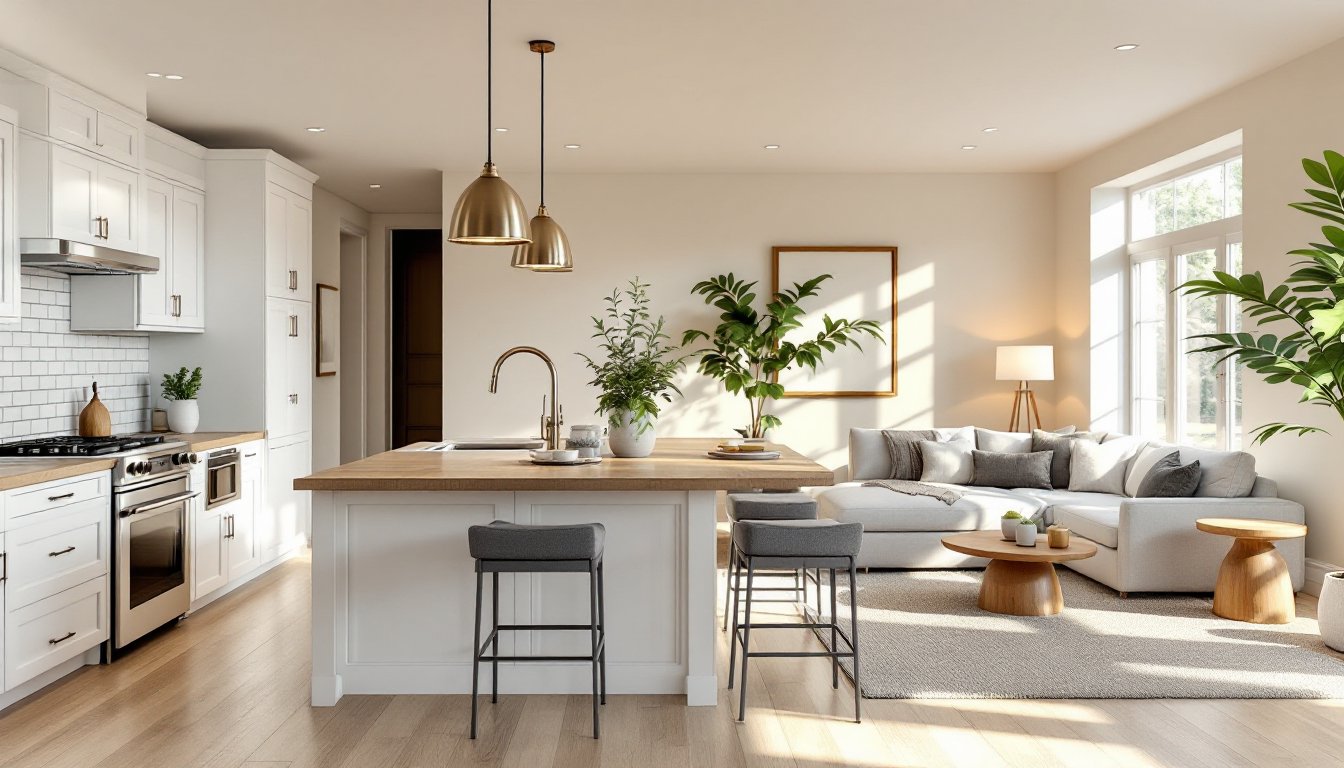
Islands and peninsulas act as the transition zone between kitchen and living room. An island (freestanding counter) is more flexible: a peninsula (counter attached to walls or the main kitchen line) requires less floor space and anchors the design.
Islands work best when you have at least 40 square feet of open floor space to work with and can maintain 3 feet of clearance on all sides. Standard island depth is 24–27 inches: length runs 4–6 feet for practical use. Seating on the island side (bar stools) creates that social gathering spot while keeping the work side toward the kitchen appliances.
Peninsulas are the better choice in smaller spaces. They reduce floor traffic congestion while still providing seating and workspace. A peninsula can also help visually define the kitchen boundary without a full wall.
Both options let you integrate dining, overflow storage, and casual seating into the kitchen zone. Electrical outlets in islands and peninsulas have become standard, so you can run a coffee maker or phone charger without cords snaking across the counter.
When choosing between them, think about how you use the space. If you entertain frequently and need casual seating for guests, an island shines. If you cook daily with multiple people working simultaneously, a peninsula may reduce collision points.
Defining Spaces Without Walls
Open doesn’t mean featureless. Visual and spatial boundaries make an open plan feel intentional rather than chaotic. The goal is defining separate functional zones without walls or closed doors.
Raised or dropped ceilings work well. Lowering the ceiling over the kitchen area by even 12 inches signals a transition while keeping sightlines open. This requires planning for electrical, ductwork, and beams, so it’s best coordinated before demo begins.
Floor materials create invisible boundaries. Kitchens are typically hard-floored (tile, wood, concrete) for easy cleanup: living rooms often have carpet or area rugs. Where they meet is a natural dividing line that your eye recognizes immediately. You don’t need a transition strip or threshold if you choose flooring that works well side-by-side, like wide-plank wood kitchen flooring flowing into a large area rug in the living room.
Color shifts also work. A slightly different wall color, backsplash, or paint finish between zones helps anchor each space functionally. Soft boundaries, like a partial wall or open shelving unit, provide definition without full enclosure.
Furniture arrangement matters too. Angling a sofa away from the kitchen, positioning a console table, or using bookcases as a subtle divider helps psychologically separate zones. These don’t block sightlines but organize the flow.
Color and Material Coordination
Color and material choices either unify or fragment an open space. The trick is coordinating without making it look like one big room with no personality.
Choose a dominant neutral, white, gray, warm beige, or warm black for cabinetry, walls, or trim. This visual anchor runs through both zones and prevents visual chaos. Then introduce secondary colors through backsplashes, accent walls, or furniture. Warm wood tones in the kitchen can echo in the living room’s side tables or shelving.
Backsplash and countertop materials set the kitchen’s visual weight. Subway tile or natural stone feels timeless and works as a partial boundary. The kitchen looks intentionally different from the living room without isolation. Consider materials that tie together: if your kitchen has natural wood, bring that warm tone into the living room through flooring or larger pieces.
Cabinetry choice heavily influences the whole space. Open shelving in the kitchen makes the living room feel bigger but requires organized, attractive dishware. Closed cabinetry with a minimal hardware style keeps visual clutter down. Painted cabinets (soft whites, navy, sage green) unify better than dark wood in open plans.
Lighting fixtures are another material consideration. Match your kitchen pendant or track lighting style to the living room’s fixtures or lamps. Continuity in finish (brushed nickel, matte black, brass) ties zones together even when they serve different purposes. Resources like Homedit design inspiration showcase coordinated open-plan color schemes that illustrate how subtle material choices create cohesion.
Lighting Ideas to Unify Your Open Space
Lighting is the most underrated tool in open kitchen living room design. Task lighting (kitchen counters, island), ambient lighting (overall room glow), and accent lighting (artwork, architectural features) work together to define zones and create mood.
Kitchen lighting must be bright and functional: 50–75 foot-candles on countertops and work surfaces. Recessed lights, track lighting, or pendants over the island provide focused task light. Under-cabinet lighting adds depth and keeps counters shadow-free during prep work.
Living room lighting is softer: 10–20 foot-candles for general comfort. Table lamps, floor lamps, and dimmers allow mood adjustment. Pendant fixtures hung at 30–36 inches above bar seating create visual separation and warmth.
When both zones are visible at once, match your light color temperature. Warm white (2700K) throughout feels cohesive: mixing warm and cool whites creates jarring transitions. Dimmers in both spaces let you adjust lighting for cooking, dining, or relaxing.
Layered lighting, combining sources rather than one overhead fixture, makes the space feel designed rather than cheap. A mix of pendants, recessed lights, and ambient lamps gives flexibility. Resources like The Kitchn’s kitchen design guidance break down lighting strategies that work in open layouts.
Consider a structural element like a soffit or beam to mount lights. This creates definition, provides mounting points for pendants or track, and doesn’t require building a wall. Electrician involvement is needed if you’re adding new circuits or relocating existing fixtures.
Furniture and Décor for Open Concepts
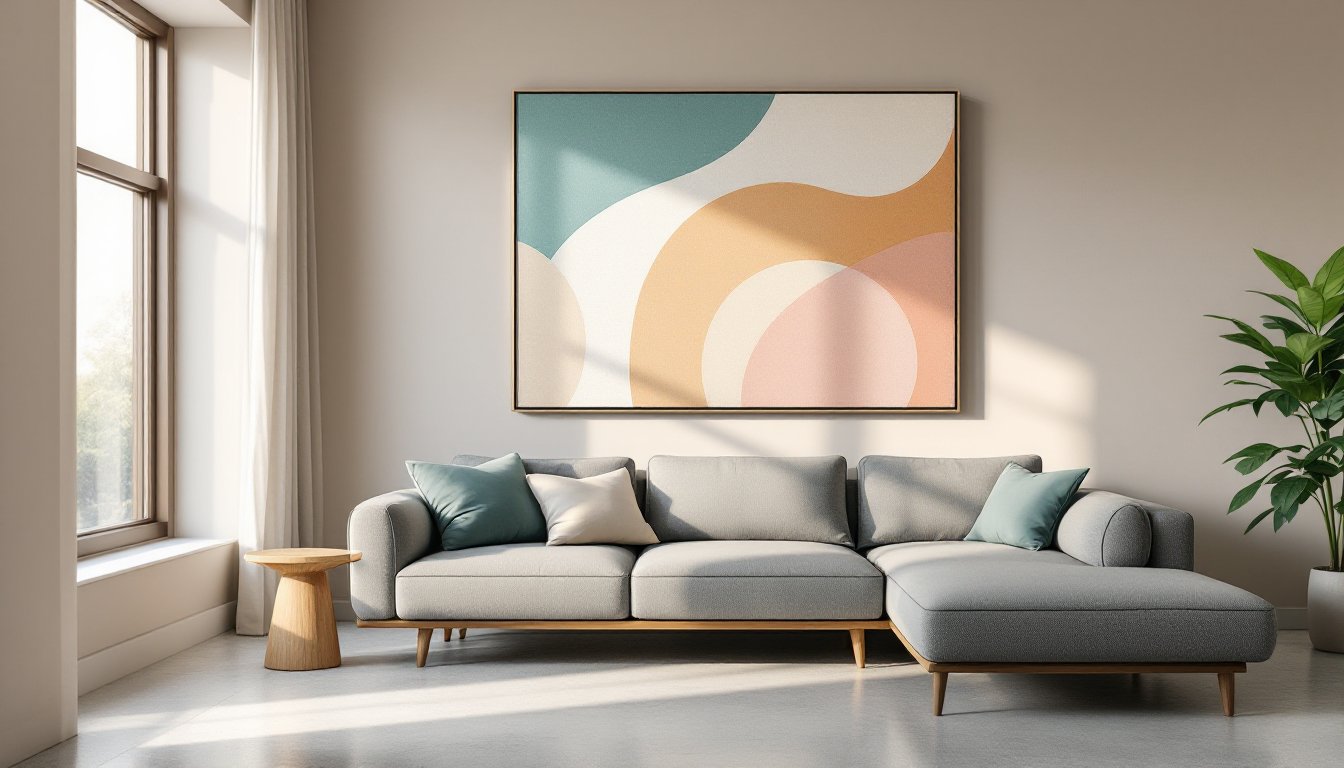
Furniture arrangement in open spaces needs intention. A sofa facing away from the kitchen creates a living room “room” within the larger space. An armchair angled toward conversation creates a natural gathering point. The goal is preventing one long, featureless room.
Scale matters. Oversized furniture works better than small, dainty pieces in open spaces: it defines zones and fills visual space. A substantial dining table or console behind a sofa anchors the transition between kitchen and living areas.
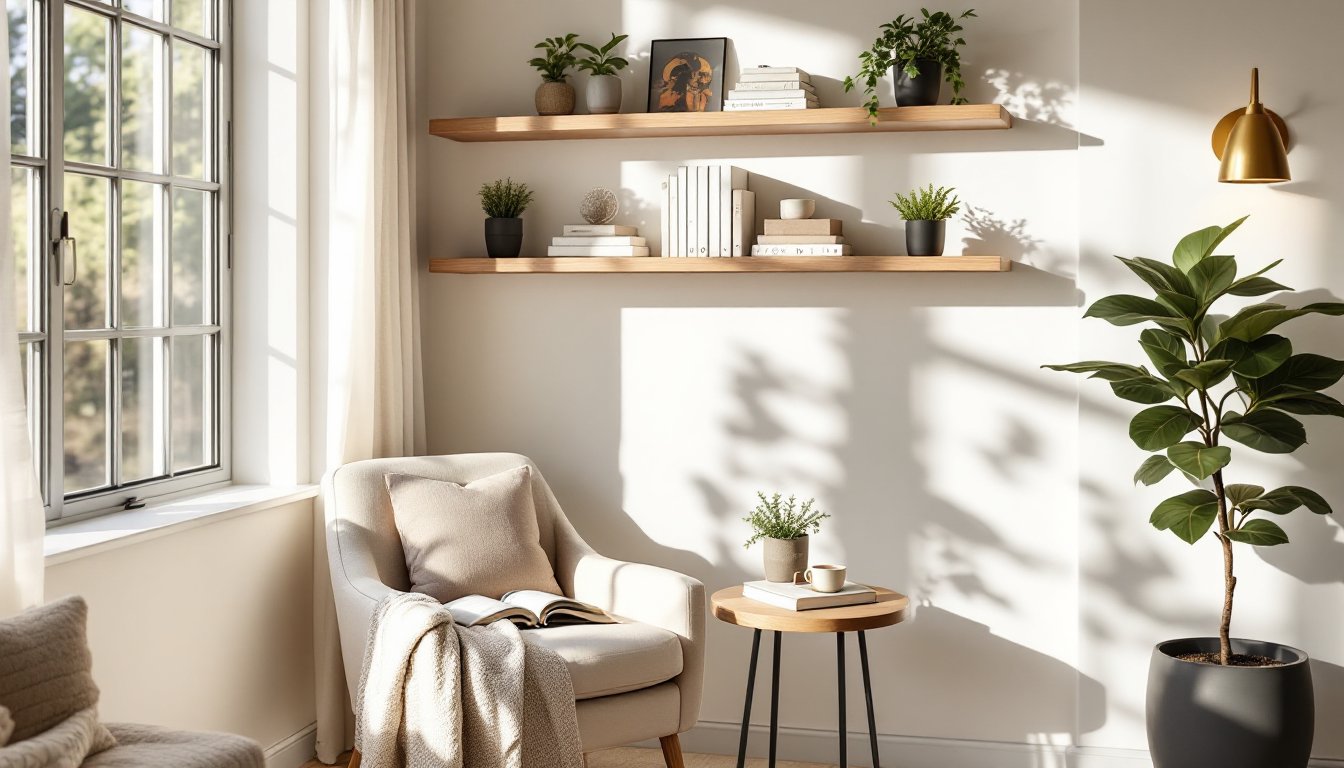
Storage and display are critical. Open shelving in the kitchen can be beautiful if organized, but if cluttered, it reads as chaos in an open room. Closed cabinetry, pantry cabinets, or tall bookcases hide mess while providing display opportunities. Floating shelves in the living room echo kitchen shelving for visual continuity.
Area rugs define zones better than flooring alone. A rug under the dining table or in the living room seating area establishes boundaries without walls. Rug size matters, it should be large enough to ground furniture, typically 5×7 feet minimum for a living room, 8×10 feet if you have the space.
Décor should reflect both functions. Kitchen open shelving can feature beautiful dishware, plants, or cookbooks. Living room shelving or walls display art, plants, or collections. The spaces feel distinct but connected when colors, materials, and styles echo between them. Incorporate organizational tools, baskets, trays, drawer dividers, to keep the kitchen visually quiet even when visible from the sofa. Open-plan kitchen inspiration showcases how smart furniture placement creates flow and function in merged spaces.