Table of Contents
ToggleDiscovering termites in your home is like finding out the foundation’s bleeding money, expensive, urgent, and the kind of problem that keeps you up at night. The question every homeowner asks first: “How much is this going to cost?” The truth is, termite treatment expenses vary wildly depending on your property size, the type of termites you’re dealing with, and whether you catch the problem early or after the colony’s already throwing a welcome party in your walls. This guide walks you through the real costs, helps you understand what drives the price, and shows you how to use a termite cost calculator to get an accurate estimate before you call a professional.
Key Takeaways
- A termite treatment cost calculator provides estimates based on property size, location, and infestation severity, helping homeowners budget before contacting pest control professionals.
- Termite treatment costs range from $263 to $500 for small properties, $500–$1,000 for medium homes, and $1,000–$2,500+ for large homes or severe infestations requiring fumigation.
- Early detection significantly reduces termite treatment expenses—catching an infestation quickly can save thousands in structural repairs compared to waiting until damage spreads.
- Treatment method directly impacts cost, with liquid barrier applications ($200–$400) being the cheapest option, while full tent fumigation ($1,200–$2,500+) is the most expensive but necessary for severe cases.
- Annual monitoring contracts ($200–$400 yearly) and fixing moisture problems are cost-effective prevention strategies that prevent costly re-infestations and future termite damage.
- Always get at least three written quotes from licensed pest control professionals and compare what’s included (warranty, inspection scope, follow-up visits) rather than choosing based on price alone.
Factors That Affect Termite Treatment Costs
Termite treatment isn’t a one-size-fits-all fix, and your final bill depends on several critical variables. Understanding these drivers helps you anticipate costs and ask the right questions when getting quotes.
Property Size and Infestation Severity
Your home’s square footage is usually the starting point for cost calculations. A 1,000-square-foot cottage will cost less to treat than a 5,000-square-foot estate, simply because treating larger areas requires more materials and labor. But square footage alone doesn’t tell the story, severity matters even more.
A light infestation caught early (a few termites, minor wood damage) might only need localized treatment and monitoring. A severe infestation with active colonies tunneling through multiple sections of the structure demands intensive treatment, possible structural repairs, and ongoing inspections. The difference between a $300 bill and a $2,000 bill often boils down to how long the termites have been working.
Treatment Method and Type of Termite
Different termite species require different approaches, and treatment method directly impacts cost. Subterranean termites (the most destructive and common type in North America) typically require soil treatment around the foundation and may need tenting or whole-house fumigation in severe cases. Drywood termites live inside the wood itself, so they’re treated with localized spot treatments or heat treatments that don’t require excavation. Dampwood termites usually only infest areas with moisture problems, so controlling the moisture issue becomes part of the treatment strategy.
Treatment methods range from liquid barrier applications (the cheapest option at $200–$400 for small properties) to bait systems (around $400–$800) to full tent fumigation (often $1,200–$2,500 or more). Professional pest control companies typically combine methods, a barrier treatment followed by bait stations and monitoring, which spreads costs over the year but prevents re-infestation.
Typical Termite Treatment Price Ranges
Getting a ballpark figure helps you know if a quote is reasonable or inflated. Based on current market data, here’s what homeowners typically pay.
For a small property (under 1,500 square feet) with a light to moderate infestation, expect $263 to $500. This usually covers an initial inspection, liquid barrier application around the foundation, and one follow-up visit. Medium properties (1,500–3,500 square feet) generally run $500 to $1,000, with more extensive soil treatment, interior inspections, and a bait system added. Large homes or severe infestations push into $1,000 to $2,500+, especially if structural damage requires repair or fumigation becomes necessary.
According to industry sources, the national average lands around $550 to $750 for a typical single-family home treatment. Regional costs vary significantly, urban areas and regions with high termite pressure (like Texas and the Southeast) often cost more than rural areas or cooler climates. Labor costs, local competition, and whether the company operates as a small local firm or a national chain all factor in.
Annual monitoring contracts (usually recommended after initial treatment) add $200 to $400 per year, covering quarterly or bi-annual inspections and preventive treatments. While these feel like an ongoing expense, they’re far cheaper than dealing with a re-infestation. Think of it as pest control insurance, a small annual payment beats a surprise $3,000 repair bill when the termites return.
How to Use a Termite Cost Calculator
A termite cost calculator is a simple tool that estimates treatment expenses based on your property details. Here’s how to use one effectively.
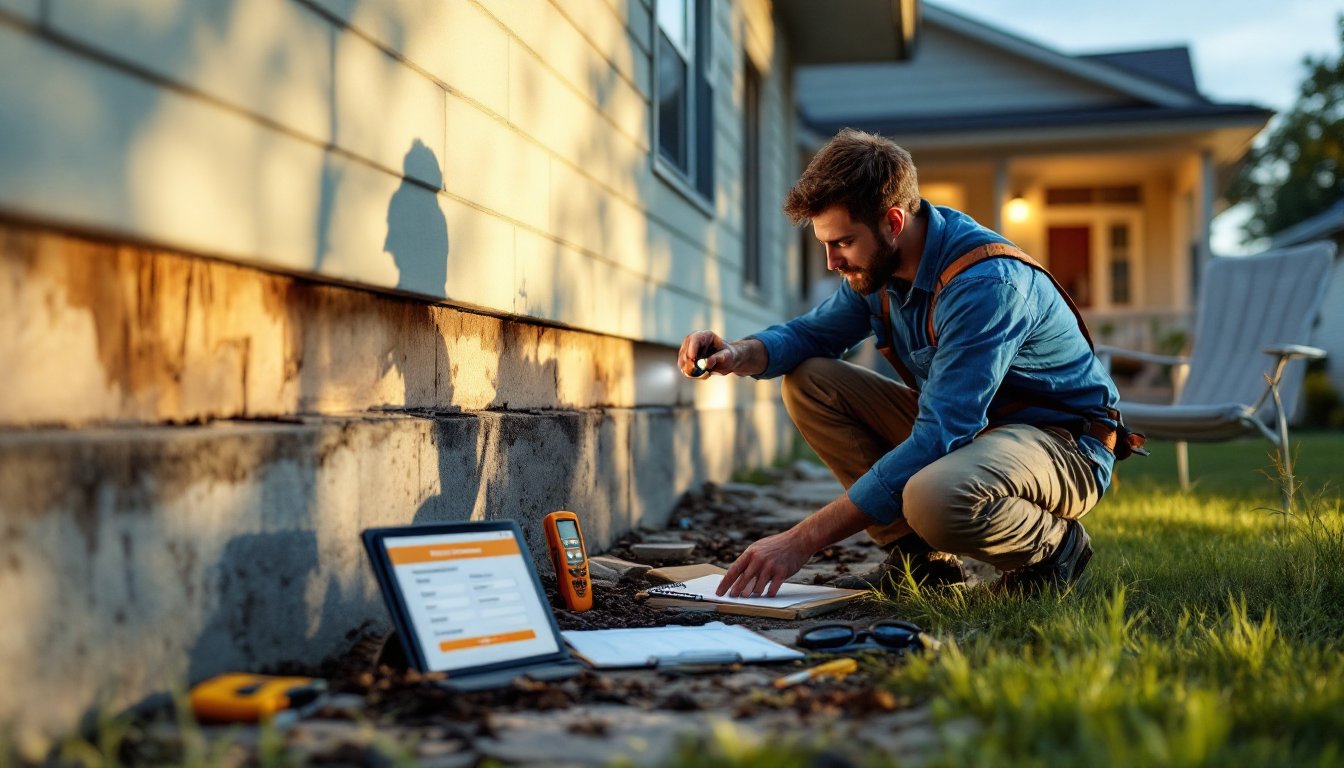
Start by gathering basic information: your home’s square footage, the number of stories, whether you have a basement or crawl space, and your location (zip code or state). Most calculators also ask about visible termite damage, previous treatments, and how long you suspect the infestation has been present.
Enter these details into the calculator. Reputable sites like HomeAdvisor’s termite treatment cost guide provide estimates based on local pricing data and infestation type. The tool generates a range (not a guarantee, ranges account for variables the calculator can’t see). This estimate gives you a realistic budget before calling professionals.
Remember that calculators provide estimates only. Your actual quote will depend on the pest control company’s inspection findings, treatment type they recommend, and local labor rates. Use the calculator estimate as a baseline, then get at least three written quotes from licensed professionals in your area. Compare not just price but also what’s included: inspection scope, treatment method, warranty, and follow-up visits. The cheapest quote isn’t always the best if it skips monitoring or uses a less effective treatment approach.
Money-Saving Tips for Termite Treatment
Termite treatment costs add up, but smart decisions during the process can trim expenses without cutting corners on effectiveness.
Act fast. The earlier you catch an infestation, the less damage you’ll pay to repair. A $400 treatment today beats a $5,000 foundation repair tomorrow. Schedule regular inspections, many pest control companies offer free assessments, so problems are caught early.
Bundle treatments. If you need both termite and general pest control (ants, spiders, roaches), negotiating a package deal with one company often costs less than hiring multiple specialists. Some companies also offer discounts for signing annual monitoring contracts upfront.
DIY monitoring between treatments. After professional treatment, do monthly walk-throughs yourself. Look for mud tubes on foundation walls, damaged wood, or droppings. Catching a re-infestation yourself before it spreads saves the cost of another full treatment. ImproveNet offers resources on evaluating contractor estimates and planning home projects that might help you compare costs effectively.
Fix moisture problems. Termites are attracted to damp wood. Ensure gutters are clean, grading slopes away from the foundation, and crawl spaces are properly ventilated. Many pest control companies include moisture evaluation in their report: act on these recommendations to prevent future infestations.
Get competitive quotes. Don’t call one company and accept the first number. Licensed pest control professionals vary widely in price and approach. Angi provides location-based cost data showing regional averages, which helps you spot if a local quote is out of line. A pest control pro in Austin, Texas, for example, might charge differently than one in Portland or Phoenix.
Ask about warranties. Most reputable pest control companies back their work with a guarantee (e.g., “free re-treatment within 12 months if termites return”). This shifts some financial risk to the professional and gives you peace of mind.
Conclusion
Termite treatment costs range widely, from under $300 for minor cases to $2,500+ for severe infestations, depending on property size, infestation severity, and treatment method. Using a cost calculator, getting multiple quotes, and acting quickly when you spot signs of termites keeps expenses manageable. The real savings come from prevention and early detection, not from choosing the cheapest treatment option.