Table of Contents
ToggleKeeping your HVAC system running smoothly doesn’t have to drain your wallet, but it does require planning. The average homeowner spends between $150 and $300 annually on routine maintenance, money that actually saves you thousands down the road by preventing major breakdowns. Whether you’re wondering about a single tune-up or thinking about annual maintenance plans, understanding what HVAC maintenance costs in 2026 helps you budget smarter and avoid surprise repair bills. Let’s walk through the real numbers, what drives those costs up or down, and how to decide between different service approaches.
Key Takeaways
- HVAC maintenance costs between $150–$300 annually for routine tune-ups, saving thousands in emergency repairs and preventing costly breakdowns.
- Annual maintenance plans typically cost $100–$200 per year and often pay for themselves through bundled tune-ups, discounts on repairs, and included parts like filters.
- System age, type, and geography significantly impact HVAC maintenance costs, with heat pumps and ductless mini-splits costing 20–30% more than standard setups and urban labor rates running $100–$150 per hour.
- Simple DIY maintenance tasks like filter replacement ($15–$60 with a technician) and keeping outdoor units clear of debris reduce strain and prevent costly repairs between professional visits.
- Getting multiple quotes and scheduling tune-ups during off-season months can save 20–30% on HVAC maintenance service costs compared to peak demand times.
Average HVAC Maintenance Costs by Service Type
Seasonal Tune-Up Costs
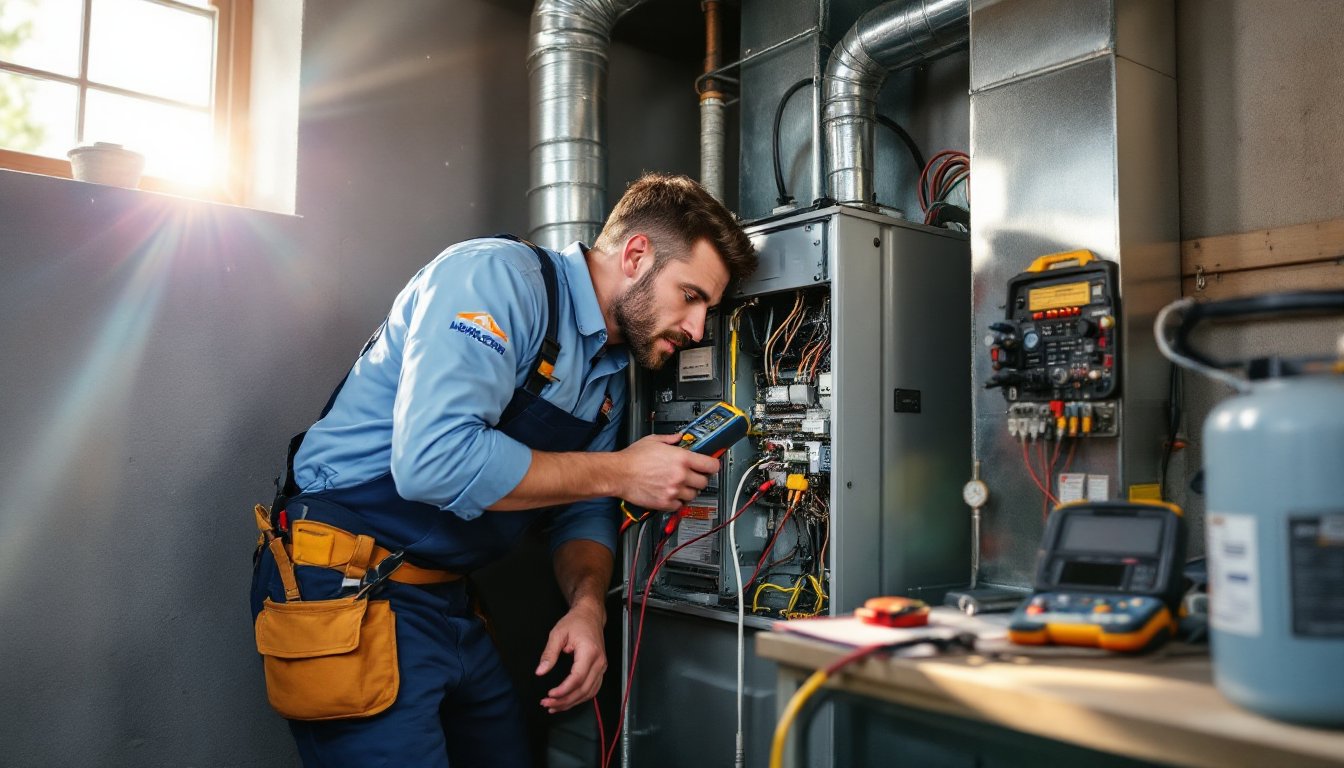
A standard spring or fall tune-up typically costs between $150 and $250 per visit. This is your bread-and-butter maintenance appointment, done ideally twice a year, once before cooling season and once before heating season. The technician inspects your system, cleans key components, checks refrigerant levels, tests electrical connections, and ensures everything runs at peak efficiency.
What you’re really paying for is prevention. That $200 visit catches a worn capacitor or loose belt before it becomes a $1,500 emergency repair on a sweltering July afternoon. According to HomeAdvisor data on HVAC service maintenance costs, homeowners typically spend $250 for routine preventive service, though regional labor rates and system complexity push prices between $175 and $350.
If you’ve skipped tune-ups for a couple years, expect to pay more, maybe $300 to $400, because the technician will spend extra time cleaning accumulated dust, checking things you’ve neglected, and possibly replacing filters or other small parts.
Filter Replacement and Minor Repairs
Filter replacement is the cheapest maintenance task you’ll face: $15 to $60 if a technician does it, or free if you buy standard 1-inch filters ($10–$25 for a pack) and swap them yourself every 1–3 months. High-efficiency HEPA or electrostatic filters run $40–$75 each.
Minor repairs, a frayed blower belt, a sticky capacitor, a clogged drain line, or a refrigerant top-up, typically cost $100 to $400. A new thermostat battery? Maybe $20. A clogged condensate drain cleaned out? $75–$150. These are the jobs that keep costs manageable if you catch them during a tune-up rather than waiting for a complete system failure.
The key difference: routine maintenance catches these issues early. Neglect it, and you’re replacing entire compressors or blowers instead of small parts.
Factors That Influence Your HVAC Maintenance Expenses
System Age and Type
Older systems cost more to maintain. A 20+ year-old air conditioner or furnace has worn parts, harder-to-find components, and less efficient motors. Your technician spends more time diagnosing issues and sourcing parts, pushing labor costs up. Some techs charge a premium for older equipment because the risk of additional problems is higher.
Your system type matters too. A simple split-system (outdoor AC unit, indoor furnace) costs less to maintain than a package unit, heat pump, or high-efficiency variable-speed system. Heat pumps and ductless mini-splits require specialized knowledge, so servicing them often costs 20–30% more than a standard setup. Commercial or larger-capacity residential systems also drive up labor costs because they’re more complex.
Geography and local labor rates play a huge role. Technicians in major cities or high cost-of-living areas charge $100–$150 per hour, while rural areas might see $60–$90. A one-hour tune-up literally costs double depending on where you live.
System size also affects maintenance cost slightly. A 5-ton AC unit isn’t much harder to service than a 3-ton unit, but it does require more refrigerant if a leak occurs, and larger coils take longer to clean. This usually adds $25–$75 to a service call, not a game-changer but worth noting if you’re comparing quotes.
Cost Comparison: Annual Maintenance Plans vs. Pay-As-You-Go
Maintenance plans (also called service contracts or membership programs) typically cost $100–$200 per year and bundle two seasonal tune-ups, priority scheduling, discounts on repairs, and sometimes free parts like filters and capacitors.
Do the math: Two tune-ups at $175 each = $350. A maintenance plan at $150 saves you $200 right there. Add a free filter every year (worth $15–$25), and you’re already ahead. If something breaks during the year and you get 10–15% off the repair bill, the plan pays for itself many times over.
The catch? Not all plans are created equal. Read the fine print. Some cover parts but not labor. Others exclude emergency service calls or charge extra for weekend visits. Others bury stipulations like “plans don’t cover pre-existing damage” or require you to use their in-house technicians only.
Pay-as-you-go works fine if you’re disciplined about scheduling two tune-ups yearly and you have emergency savings. But most homeowners either skip tune-ups to save money (huge mistake) or end up paying $600–$1,000 for an unexpected repair they could’ve prevented. Platforms like Angi let you compare local contractors and plan options side by side, making it easier to find fair pricing for both approaches.
The real answer: If you own your home long-term and want predictable costs, a plan usually wins. If you’re renting or selling soon, pay-as-you-go might suit you, just commit to those two yearly tune-ups.
Money-Saving Tips for HVAC Maintenance
Do the simple stuff yourself. Replacing a standard 1-inch furnace filter takes 30 seconds. Cleaning return air vents of dust? Five minutes. These aren’t complex tasks, and skipping the tech visit for a filter swap saves you $50–$100. Clean filters improve efficiency and reduce strain on your system, so this actually matters.
Schedule tune-ups during the off-season. Many HVAC companies charge less for spring and early fall appointments because demand is low. A tune-up in March costs less than one in June. You’ll also get faster scheduling without the desperation premium.
Get multiple quotes. HVAC pricing varies wildly. Call three local companies, ask the same questions, and compare their scope of work, not just price. A cheap quote that skips thorough coil cleaning or electrical testing isn’t a bargain, it’s a false economy.
Ask about seasonal package deals. Some contractors offer heating and cooling tune-up combos for less than two separate visits. Others discount repairs if you’re under a maintenance plan. Don’t accept the first price offered.
Maintain your system between visits. Keep the outdoor AC unit clear of leaves and debris (6-foot clearance). Ensure return air vents aren’t blocked. Keep thermostats away from direct sunlight. These simple habits reduce strain and often prevent costly repairs. According to Today’s Homeowner, a seasonal maintenance checklist kept side-by-side with your service schedule catches small issues early.
Upgrade your thermostat strategically. A smart or programmable thermostat (cost: $150–$500 installed) reduces energy use and lets you monitor system performance. It often pays for itself within 2–3 years through lower utility bills, and it flags efficiency problems early, preventing expensive repairs.
Know when to call a pro vs. DIY. Replacing a filter or cleaning vents? DIY. Diagnosing a refrigerant leak, replacing a compressor, or checking electrical systems? Hire a licensed technician. Some HVAC work requires certification and adherence to EPA regulations. Cutting corners here creates safety hazards and voids warranties. Keep a maintenance checklist handy so you know exactly when to schedule professional service.