Table of Contents
ToggleA large living room is both a blessing and a design challenge. All that square footage offers incredible potential, but it also risks feeling cavernous, disconnected, or cluttered if you don’t approach it strategically. Whether you’re working with a sprawling open concept, a formal sitting area, or something in between, the key to success lies in intentional planning. This guide walks you through eight proven techniques that turn oversized rooms into comfortable, functional, and visually stunning spaces. You’ll learn how to anchor the room, balance furniture proportions, and create distinct zones, all without filling it with stuff you don’t need.
Key Takeaways
- Define multiple functional zones in large living room ideas using area rugs, furniture placement, and distinct seating clusters to prevent spaces from feeling cavernous or disconnected.
- Create a strong focal point—such as a fireplace, feature wall, or large-scale artwork—to give the eye a landing place and make the room feel purposeful and cohesive.
- Layer three types of lighting—ambient, task, and accent—with dimmers to transform flat overhead lighting into an inviting, adaptable environment suitable for various times of day.
- Choose furniture scaled to the room’s size, including sofas 80+ inches long and jumbo coffee tables, paired with vertical elements like tall bookcases to balance high ceilings.
- Add warmth and visual interest through a cohesive color palette, mixed textures (plush rugs, linen, leather, velvet), and natural materials like wood and brass to prevent monotony.
- Incorporate strategic greenery and natural elements—tall plants, natural fiber rugs, and organic materials—to soften hard lines and transform the space into an inviting retreat.
Define Zones to Maximize Functionality
Large living rooms work best when they serve multiple purposes without feeling scattered. The trick is dividing the space into distinct zones, a conversation area, a media zone, a reading nook, using furniture placement, area rugs, or subtle architectural elements.
Start by identifying how your household actually uses the room. Do people gather for movie nights, work from home, or host frequent entertaining? Your layout should answer those questions. A large area rug anchors a seating cluster and signals “this is the main gathering spot.” Position it so the rug extends at least 18 inches beyond the front legs of your furniture: this makes the grouping feel intentional rather than floating.
Use different rug styles or colors to visually separate zones. A thick, neutral-toned rug might ground the main seating area, while a smaller geometric or patterned rug delineates a game table or reading corner. Furniture arrangement matters too. Back-to-back sofas, staggered chairs, or an L-shaped configuration naturally create boundaries without walls.
If you work from home, consider a low console desk or office nook in a quiet corner. Position it perpendicular to the main seating to reinforce the separate zone. This approach keeps work life visually distinct from your relaxation space, even in an open floor plan.
Create a Focal Point That Commands Attention
A focal point gives the eye somewhere to land and makes the space feel purposeful rather than aimless. Without one, a large room can feel overwhelming and disconnected.
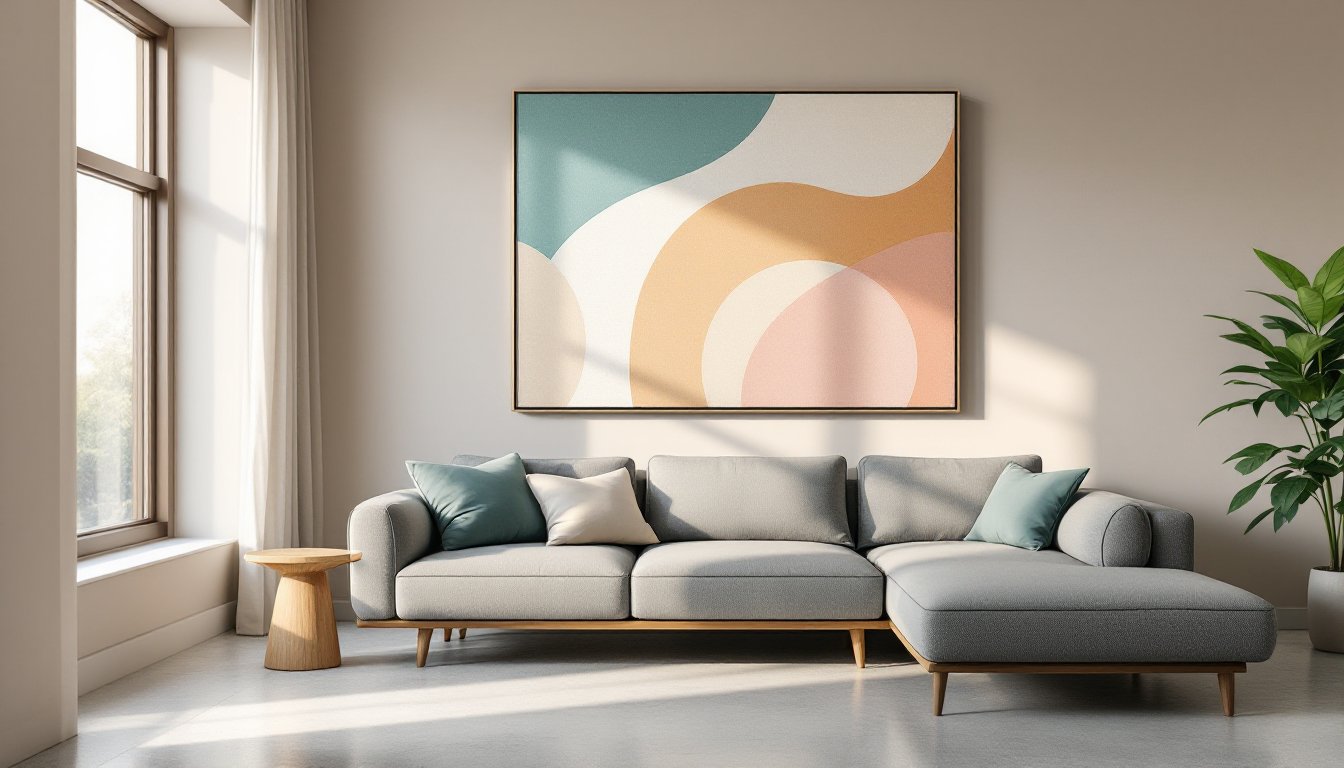
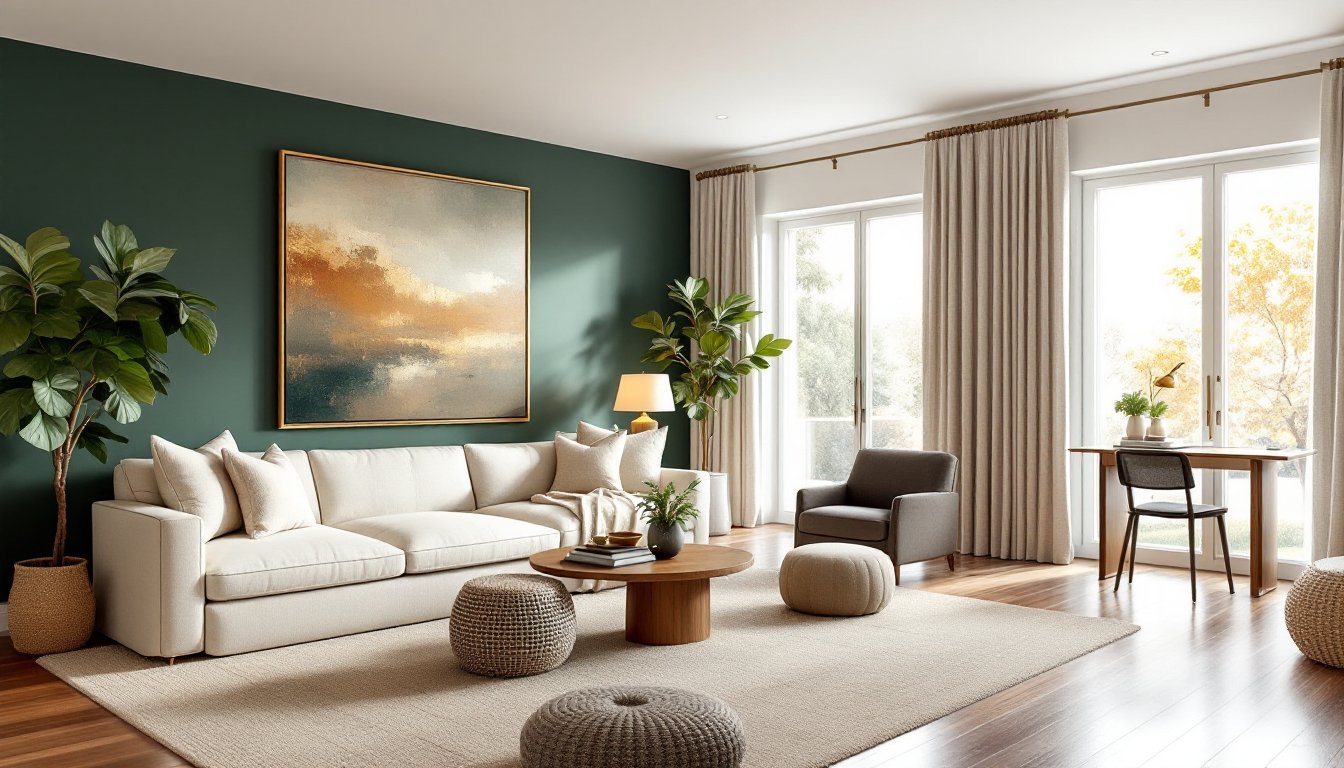
Your focal point might be a fireplace, built-in shelving, a dramatic accent wall, or even a large-scale art installation. If your room has windows with a view, frame them with floor-to-ceiling curtains or minimal treatments, the view itself becomes the focal point. One popular approach, evident in professional design galleries like Homify’s collection of large living room ideas, combines a statement wall with substantial artwork and layered furnishings.
If you’re building a focal point from scratch, consider a feature wall painted in a bold, warm color, deep charcoal, forest green, or even terracotta. Keep the remaining walls neutral so the color reads as intentional, not overwhelming. Alternatively, install shiplap, board-and-batten, or peel-and-stick wall paneling for texture and visual interest without permanent structural changes.
Arrange seating to face the focal point. Sofas should orient toward the fireplace or view, not toward a blank wall. This psychological pull makes the room feel cohesive and draws people naturally into the space.
Layer Lighting for Ambiance and Practicality
Lighting transforms a large room from flat and uninviting to layered and warm. Flat overhead lighting alone creates shadows, washed-out colors, and a clinical feel. Layering different light sources solves this.
Aim for three lighting tiers: ambient (general illumination), task (for specific activities), and accent (for drama and interest). Ambient lighting might be recessed ceiling fixtures, a chandelier, or track lighting spaced evenly across the ceiling. Task lighting includes floor lamps beside reading chairs, wall sconces flanking artwork, or table lamps on side tables.
Accent lighting highlights your focal point or creates mood. LED strip lighting behind shelving, uplighting on tall plants, or picture lights above artwork add sophistication without extra cost. Install dimmers on multiple circuits so you can adjust brightness based on time of day and activity. A bright, energetic setting for daytime entertaining becomes intimate and moody at night.
For a large room, you’ll need more light sources than you’d expect. A single overhead fixture won’t reach all corners effectively. Space floor lamps and table lamps around the room so every seating zone has adequate light. This also breaks up the expanse visually, making the space feel more human-scaled.
Scale Your Furniture to Match the Space
Cramped, undersized furniture makes a large room feel disconnected and uncomfortable. Conversely, oversized pieces fill space and ground the room in a way that feels intentional.
Choose a substantial sofa, aim for 80+ inches in length if the room allows. Pair it with an oversized sectional, large ottoman, or multiple accent chairs rather than scattering small pieces. A jumbo coffee table anchors the seating area and prevents it from looking island-like in the center of the room. Dimensions of 48″ x 30″ or larger work well in expansive spaces.
Height matters too. Tall bookcases, floor-to-ceiling curtain rods, and high-backed chairs draw the eye upward and make tall ceilings feel less imposing. Media consoles and low furniture risk making the room feel bottom-heavy. Mix heights strategically: pair a low sectional with tall shelving, or combine mid-height seating with towering plants.
Don’t assume you need to fill every inch of space. Breathing room makes a large room feel intentional and spacious rather than cluttered. One statement sofa, a pair of chairs, and a few occasional pieces can be all you need. The goal is balance, furniture scaled appropriately with negative space.
Add Texture and Color for Visual Interest
A monochromatic large room feels cold and cavernous. Strategic texture and color warm the space and make it feel dynamic.
Start with a cohesive color palette, perhaps warm neutrals (cream, taupe, warm gray) anchored with one or two deeper accent colors. Use color in key pieces: a jewel-toned accent chair, throw pillows, artwork, or a feature wall. This prevents the room from feeling generic while keeping it from becoming chaotic.
Texture prevents the palette from feeling flat. Layer different fabrics: a plush area rug, linen curtains, a leather ottoman, velvet pillows, and a chunky knit throw. Vary finishes, matte paint next to glossy ceramic, polished wood next to woven jute. These subtle contrasts add visual richness without requiring a total redesign.
Wood tones, metal finishes, and natural materials introduce warmth naturally. A solid wood coffee table, brass or bronze light fixtures, and woven baskets make the room feel grounded. Interior design platforms like Dwell showcase how mixing textures and tones creates sophisticated, livable spaces. The combination of warm wood, cool metal, soft textiles, and natural materials keeps a large room from feeling sterile.
Incorporate Greenery and Natural Elements
Plants soften hard lines, improve air quality, and bring life to expansive spaces. Large living rooms benefit enormously from strategic greenery.
Choose plants that match your light conditions and maintenance tolerance. Low-light rooms work well with pothos, snake plants, or ZZ plants. Bright spaces support fiddle leaf figs, monstera, or large tropical varieties. Tall plants, a 6-foot rubber tree, bamboo, or bird of paradise, fill vertical space and balance high ceilings. Group plants in clusters rather than scattering singles, which feels more intentional and fills corners effectively.
Pot choice matters. Oversized ceramic or concrete planters in neutral tones complement modern décor. Woven baskets add warmth and texture. Scale pot size to plant and room proportions: a small 8-inch pot looks lost in a sprawling living room, while a 16-18″ planter commands appropriate presence.
Natural materials extend beyond plants. Wood flooring or area rugs with natural fiber content (jute, sisal, seagrass) ground the space. Stone or marble side tables, leather furniture, and linen textiles reinforce a connection to nature. Home improvement and design resources like HGTV frequently highlight how natural elements create inviting, balanced living spaces. The layering of green, natural textures, and earth tones transforms a large room into a retreat rather than a showroom.
Conclusion
Designing a large living room requires intention, scale, and layering. By defining zones, anchoring the space with a strong focal point, lighting thoughtfully, and choosing furniture and materials that match the room’s scale, you create a space that feels both grand and livable. Texture, color, and greenery add the warmth that transforms a room from impressive to genuinely inviting. Start with one or two of these strategies and build from there, transformation doesn’t require a full overhaul.